When choosing a marine fender supplier, a clear specification and a competitive quote are useful starting points. For port projects or ship-to-ship (STS) operations, it is also important to know who will manufacture the equipment, how it will be tested and who will provide support after delivery.
At Qingdao Evergreen Maritime, production and testing are carried out at our facilities in Qingdao. The following checks demonstrate what questions to ask a supplier and how we respond to them for buyers of marine fenders.
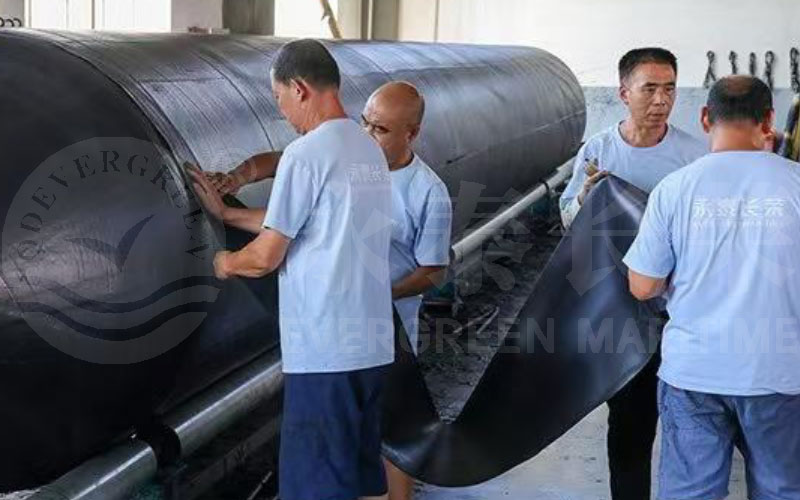
Check the production chain behind the quotation. Not every company selling pneumatic rubber fenders operates its own factory. Ask which stages are carried out in-house and which involve outside partners. A manufacturer’s answer should cover rubber preparation, reinforcement assembly, vulcanisation, and finished-product inspection rather than simply identifying where the final goods are stored.
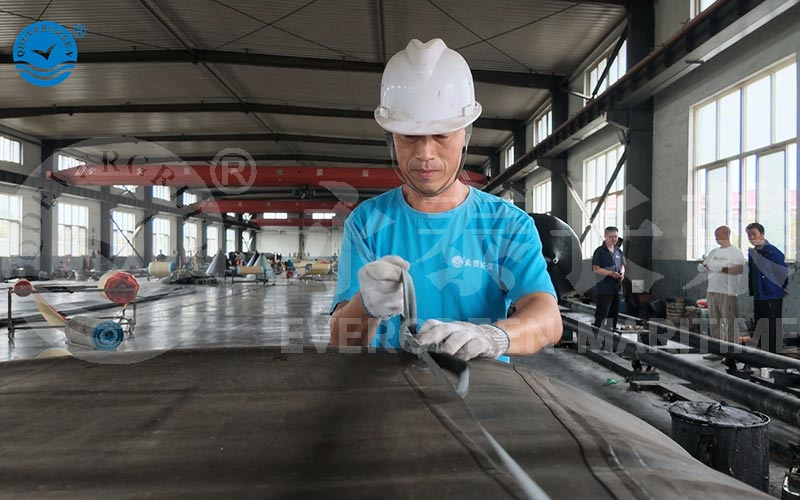
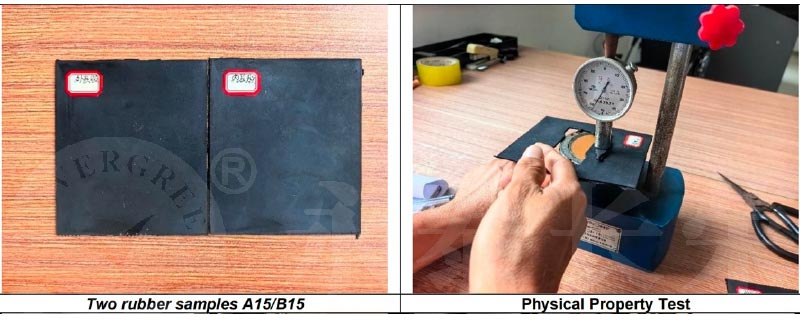
Evergreen Maritime has a complete production chain, including rubber mixing and calendering equipment, vulcanising tanks, and dedicated testing facilities. Bringing these stages together enables us to control the manufacturing process and inspect the product as it moves through production. Our facilities include rubber material testing equipment and compression testing machines.
When evaluating a substantial order, ask to see the production facilities and the equipment used for the fenders you intend to purchase. A factory visit or live video tour can help you to understand the quotation in the context of actual manufacturing capability. Recent production photographs are also useful when an on-site visit is impractical.
Look for experience with similar applications and ensure that the experience is relevant to your operating conditions. Handling and installation requirements can differ between small harbour fenders and large floating pneumatic rubber fenders for offshore berthing. Ask for details of completed projects of a comparable size.
Evergreen has supplied pneumatic fenders for LNG carrier berthing and STS operations at CNTIC’s VPOWER projects in Myanmar, with deliveries continuing into 2020. We also manufacture foam-filled fenders for various berthing applications. Discussing your project with a manufacturer that supplies both types can help to clarify the differences in construction, performance, and maintenance before a specification is finalised.
Our pneumatic fenders are fitted with protective chain and tyre nets, and we understand the testing and documentation requirements. ISO 17357-1:2014 sets out the material, performance, dimensional and testing requirements for high-pressure floating pneumatic rubber fenders. Evergreen manufactures and tests this product range to that standard. Product type approval and an inspection certificate for a particular batch serve different purposes, so please ask us which documents cover the fenders in your order.
Our quality control process includes tests on the rubber material, as well as dimensional and visual inspections, airtightness testing and performance testing. Evergreen also supports third-party inspection and certification arrangements according to project requirements. The scope of the inspection, the tests to be witnessed and the documents to be supplied should be agreed at the quotation stage.
When reviewing the quotation, ask to see a sample inspection report, and agree which completed records will be provided before shipment. The final documents should include the manufacturer’s details, the relevant product sizes and pressure ratings, the report number, the test date and the product serial numbers. These details enable the paperwork to be matched to the goods delivered.
Confirm the complete delivery configuration.
A fender quotation should clarify what is included. Confirm whether the protective net, shackles, swivels and any required inflation or maintenance tools are included, as well as the packing method and shipping documents. Evergreen offers different protective net configurations.
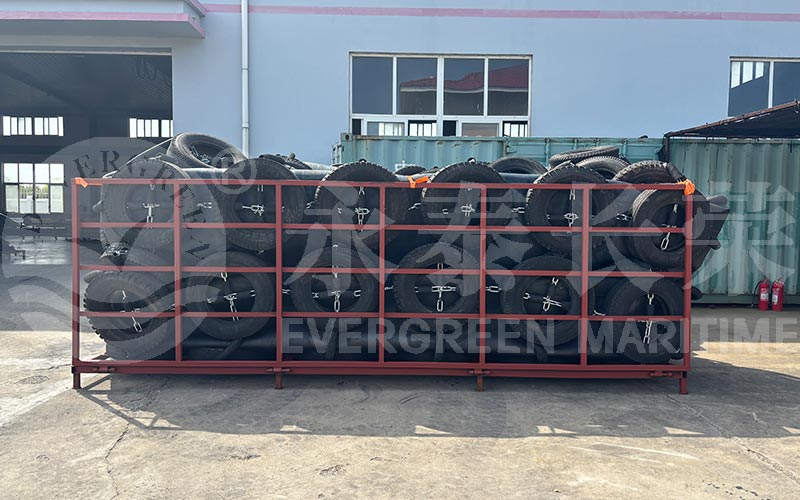
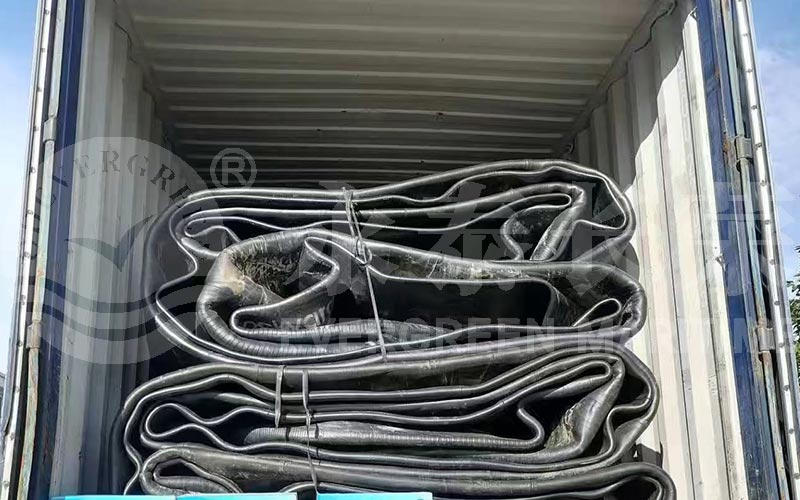
Our pneumatic fender documentation covers packing, handling and inflation procedures. Large fenders can be deflated and packed for container transport, and the packing arrangement can be tailored to suit the shipment. Before dispatch, please check the photographs of the finished goods to confirm that the configuration matches the approved order.
We also provide support after delivery. Evergreen offers pneumatic fender inspection and maintenance services, including safety valve replacement and guidance on correct use. This service complements our manufacturing and testing capabilities. Before ordering, please confirm the written warranty period and the defects covered and excluded, as well as the contact details and procedure for making a claim. The responsibilities for repair or replacement should be clear from the outset.
Choose a manufacturer that you can verify.
When comparing suppliers, ask each one to show you their production facilities, a comparable project, the tests included in the order, the full delivery configuration, and the written warranty terms. At Evergreen, we can discuss these points against your project requirements and identify the relevant fender documents.
Please send us details of the intended berthing application, the vessel, the required fender size and pressure, and any inspection conditions. We will then review the product choice and confirm the scope of testing and delivery before you place an order.